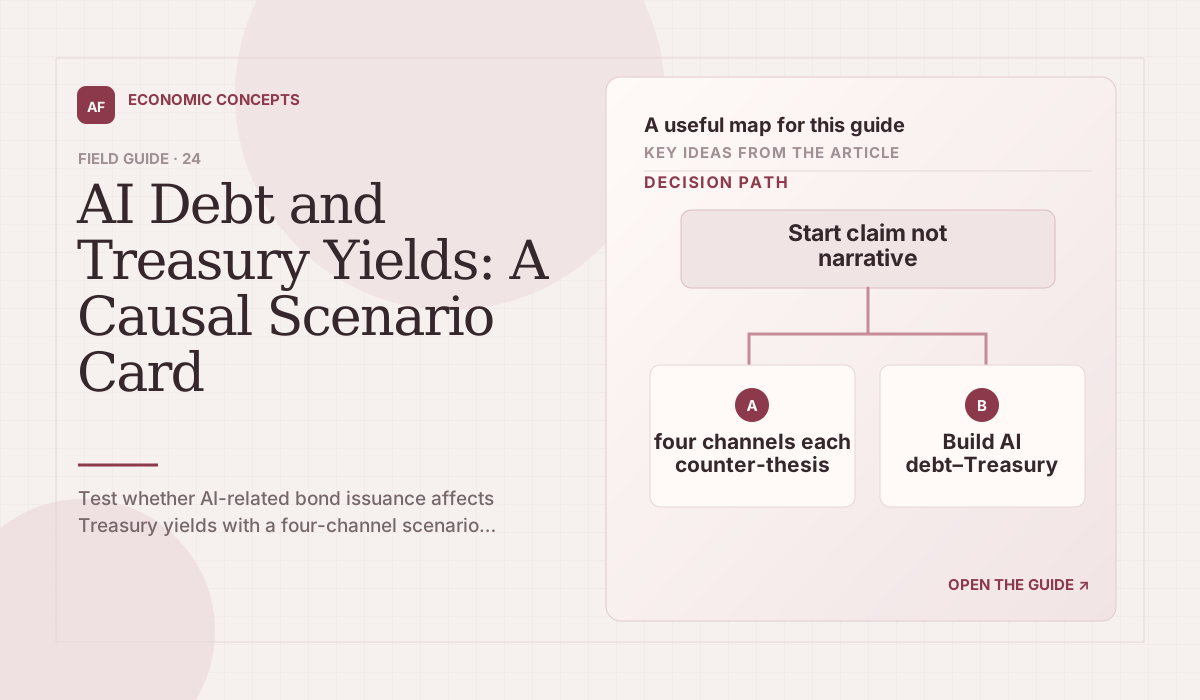
AI Debt and Treasury Yields: A Causal Scenario Card
Test whether AI-related bond issuance affects Treasury yields with a four-channel scenario card, evidence log, and falsification triggers.
FIELD NOTES / CATALOG 03
Practical analysis of economic systems, household finance frameworks, global data, and central-bank policy through quantitative and AI-assisted methods.
Test whether AI-related bond issuance affects Treasury yields with a four-channel scenario card, evidence log, and falsification triggers.
Use a structured evidence register to assess GPU-backed credit: collateral, contracts, escrow releases, operating proof, and recovery assumptions.
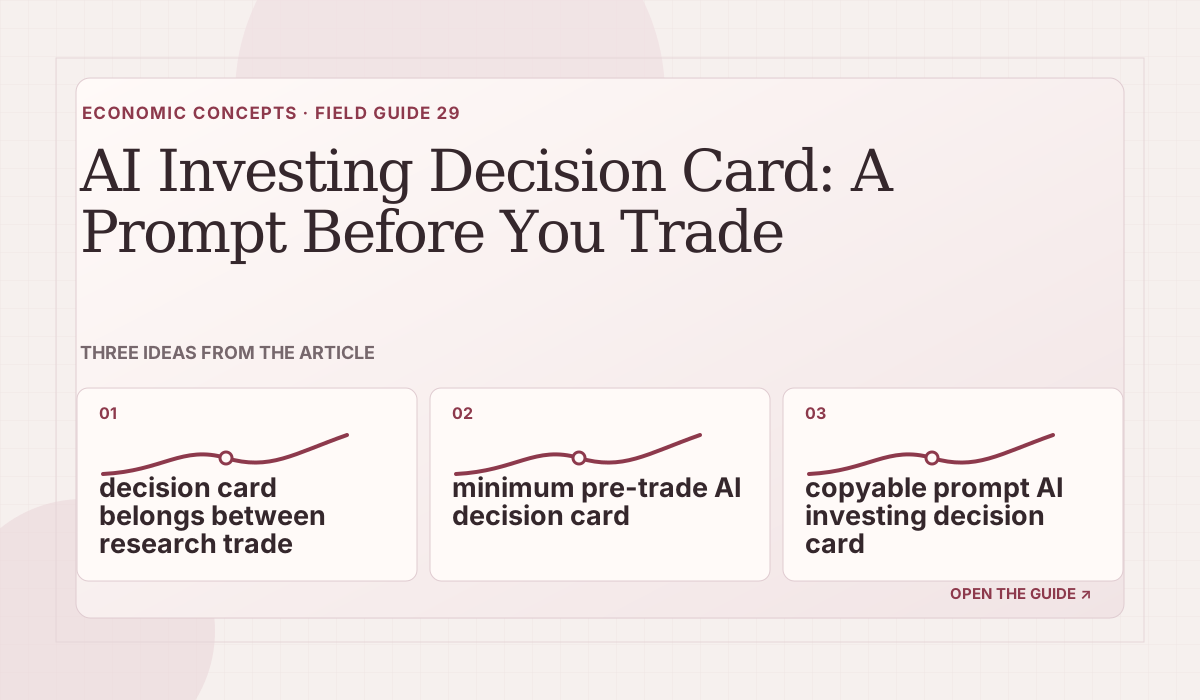
Use a pre-trade AI decision card to separate research from execution, expose missing evidence, and require an investor's explicit confirmation.
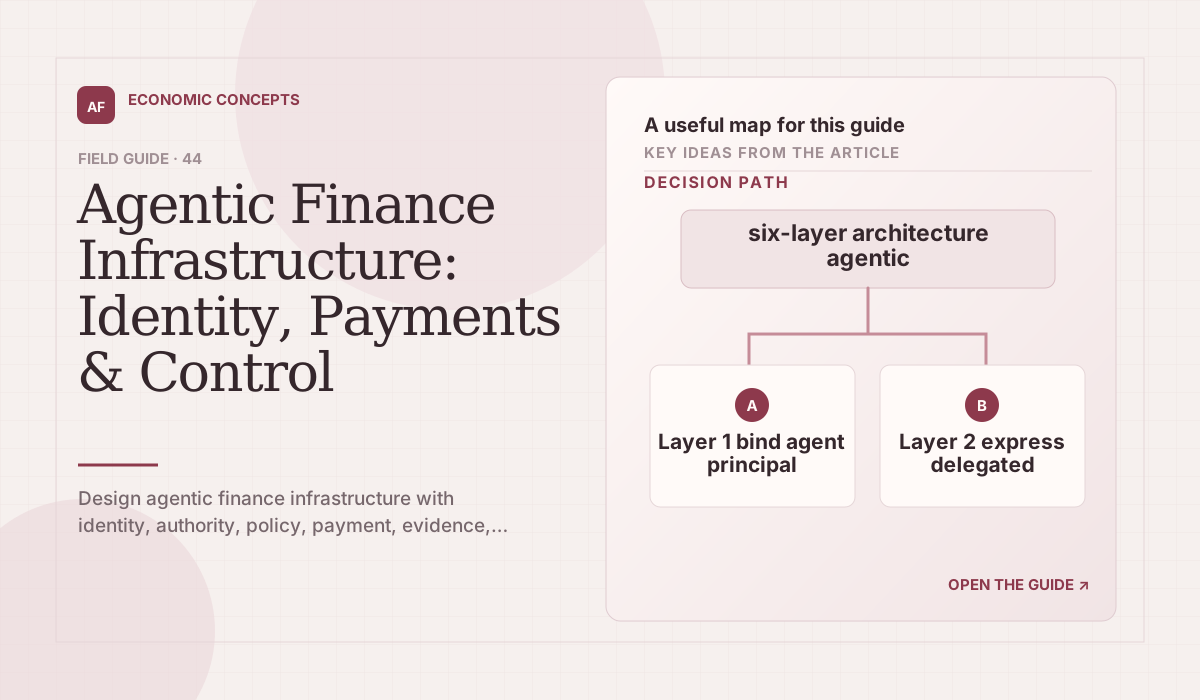
Design agentic finance infrastructure with identity, authority, policy, payment, evidence, and recovery controls plus a reusable authorization contract.
How financial APIs can support AI agents with Model Context Protocol, JSON schemas, authorization controls, and auditable tool use.
Learn how to design token economies for AI agents using deterministic supply rules, incentive engineering, and safeguards against economic failure.
Use the 50/30/20 budget rule to divide income among needs, wants, and savings, with an interactive calculator and practical examples.
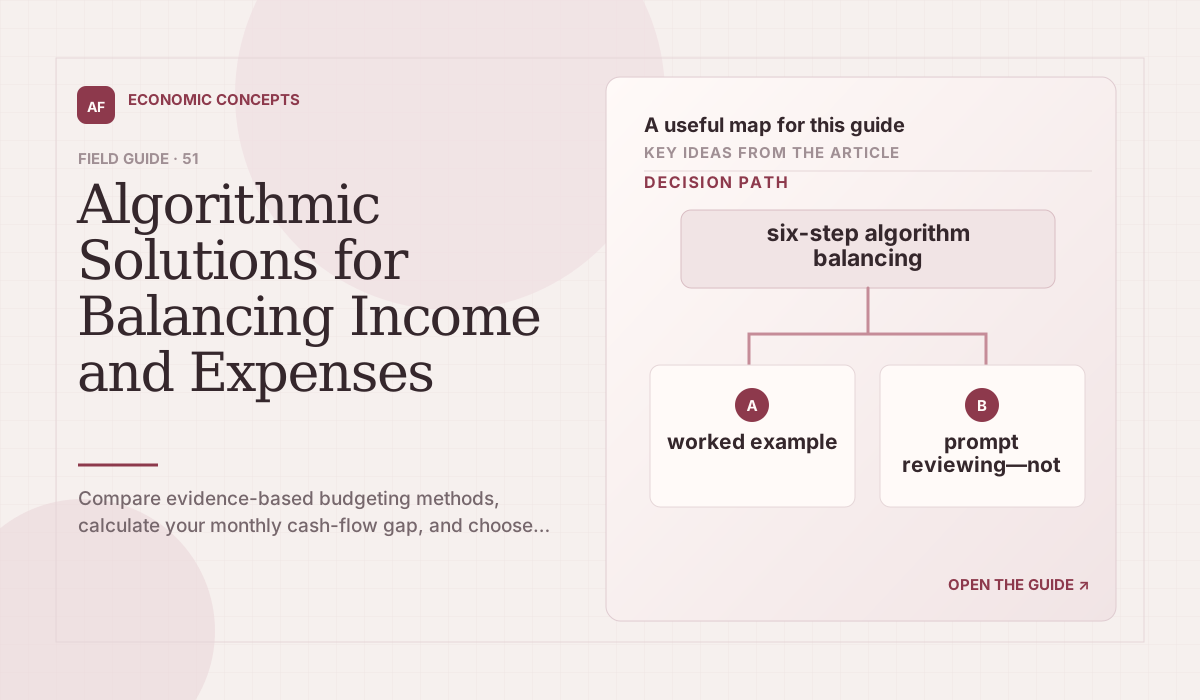
Compare evidence-based budgeting methods, calculate your monthly cash-flow gap, and choose a system for stable, irregular, or high-cost income.
Calculate a 70/20/10 budget from take-home pay, classify expenses correctly, and decide when debt, housing, or irregular income requires a different split.
Build auditable AI macro scenarios for productivity, inflation, labor, investment, and stability with an assumption register and falsification triggers.
Test an AI investment strategy for temporal leakage, survivorship bias, costs, and unstable results with a point-in-time data contract and acceptance gate.