AI AML Investigation: Evidence-Completeness Review Bundle
Use an evidence-completeness review bundle to test AI-assisted AML case summaries for source coverage, conflicts, uncertainty, and human sign-off.
FIELD NOTES / CATALOG 04
Architectural blueprints for automating financial workflows with AI agents, APIs, controls, human approvals, and production-ready operating patterns.
Use an evidence-completeness review bundle to test AI-assisted AML case summaries for source coverage, conflicts, uncertainty, and human sign-off.
Use a sovereign AI banking deployment boundary attestation to prove data paths, operator access, and reapproval triggers before production.
Prepare treasury client meetings with a data-scope evidence pack that tests account access, freshness, source support, uncertainty, and human review.
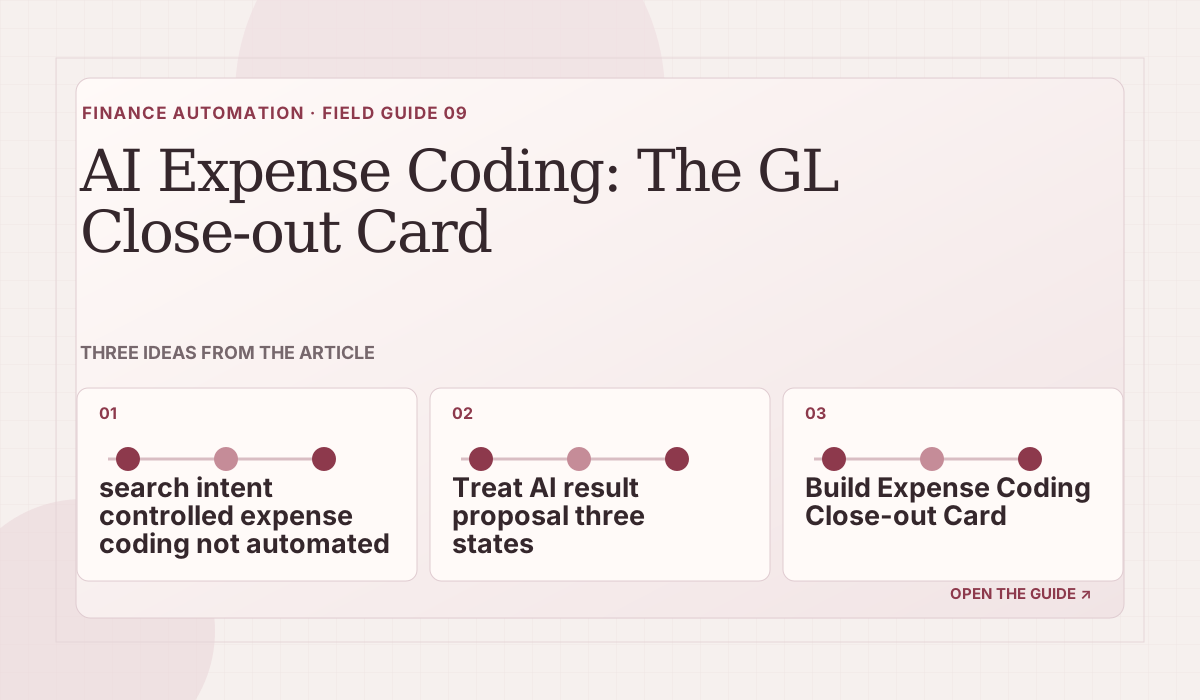
Use an AI expense-coding close-out card to link source evidence, GL and tax-code checks, human approval, and reversible postings before close.
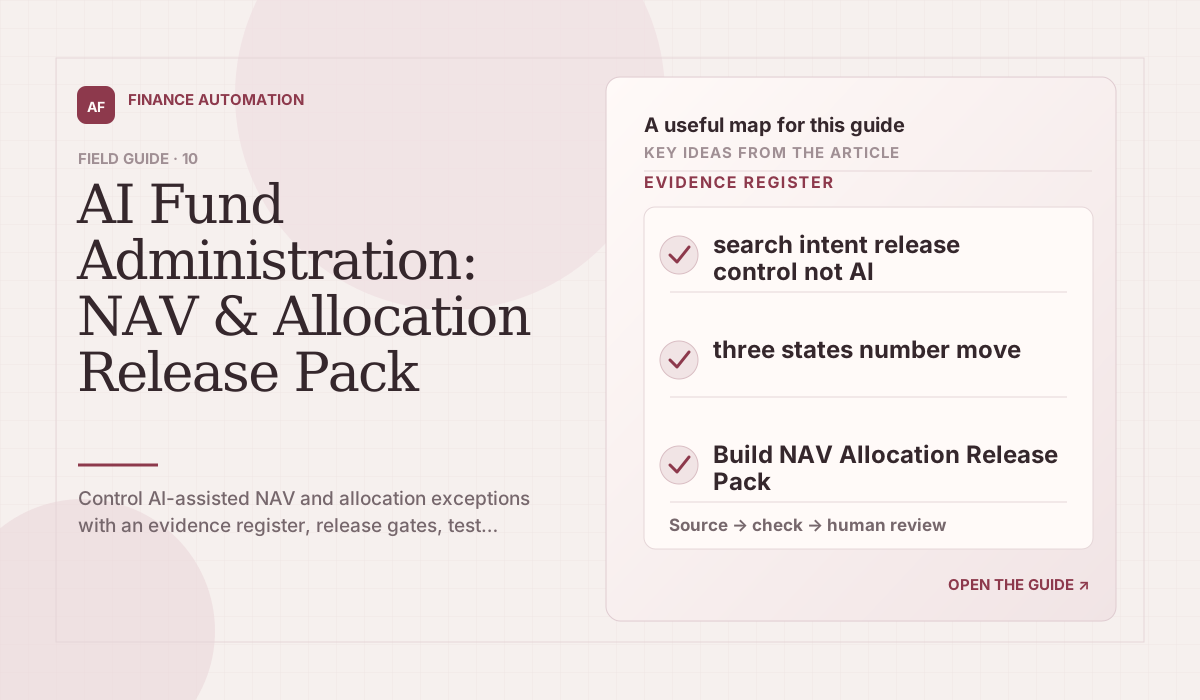
Control AI-assisted NAV and allocation exceptions with an evidence register, release gates, test harness, and a copyable review prompt.
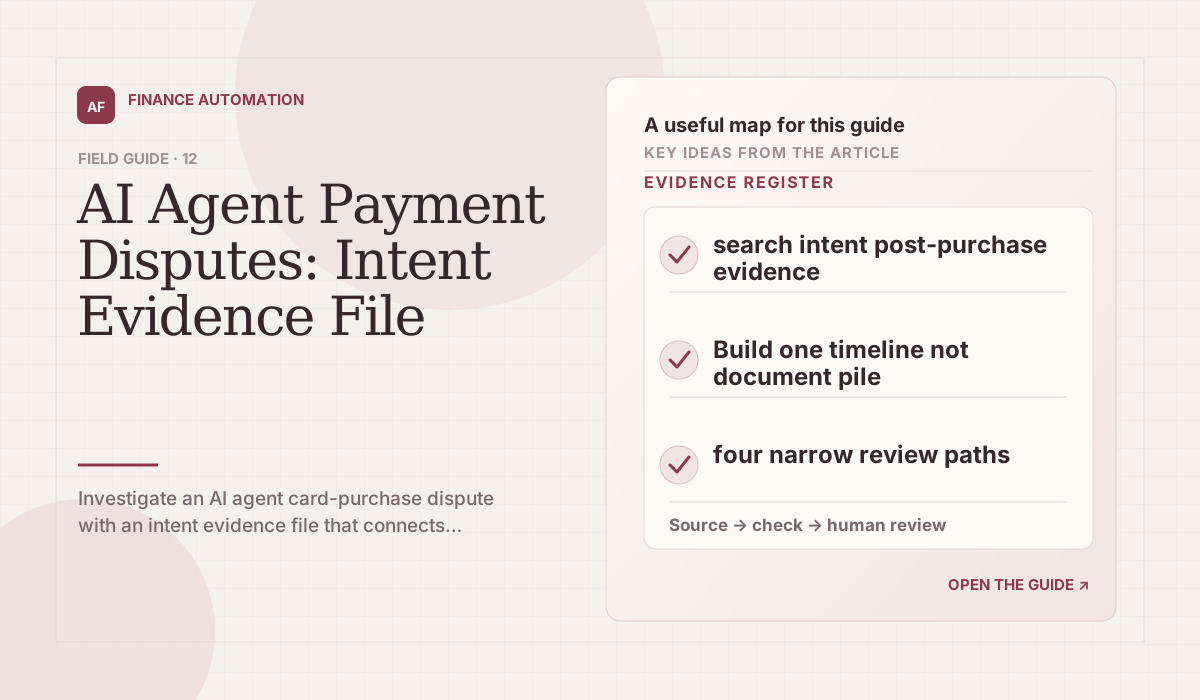
Investigate an AI agent card-purchase dispute with an intent evidence file that connects instructions, limits, authorization, order, and fulfillment.
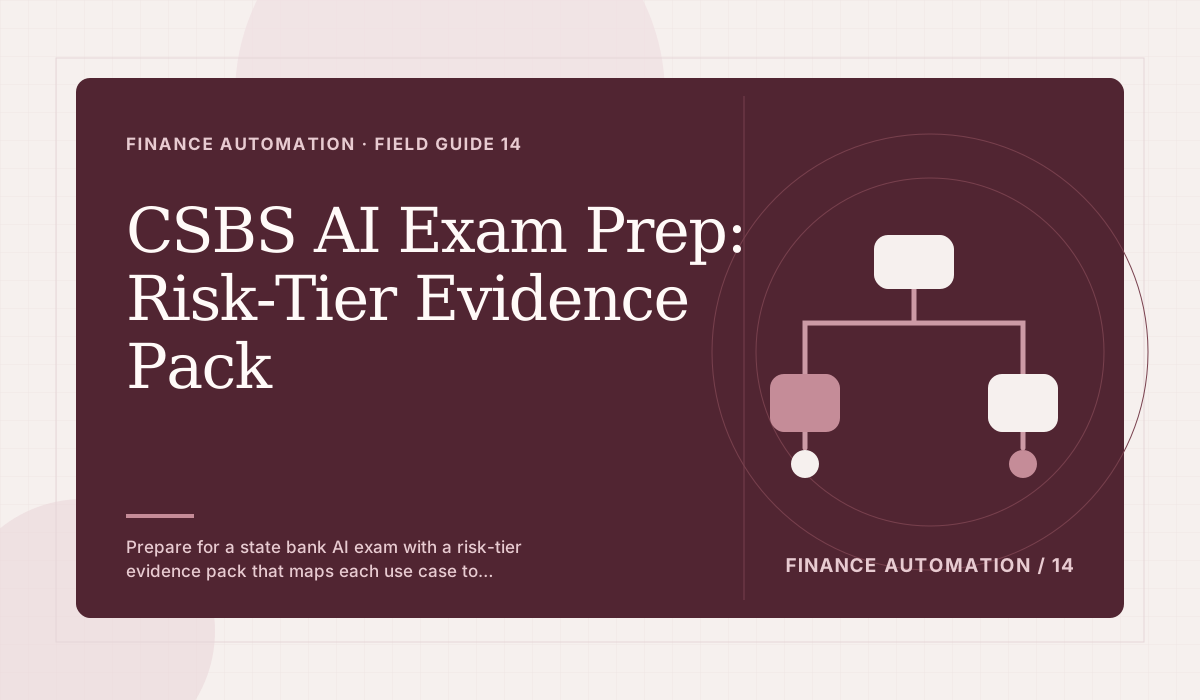
Prepare for a state bank AI exam with a risk-tier evidence pack that maps each use case to documents, owners, review depth, and open gaps.
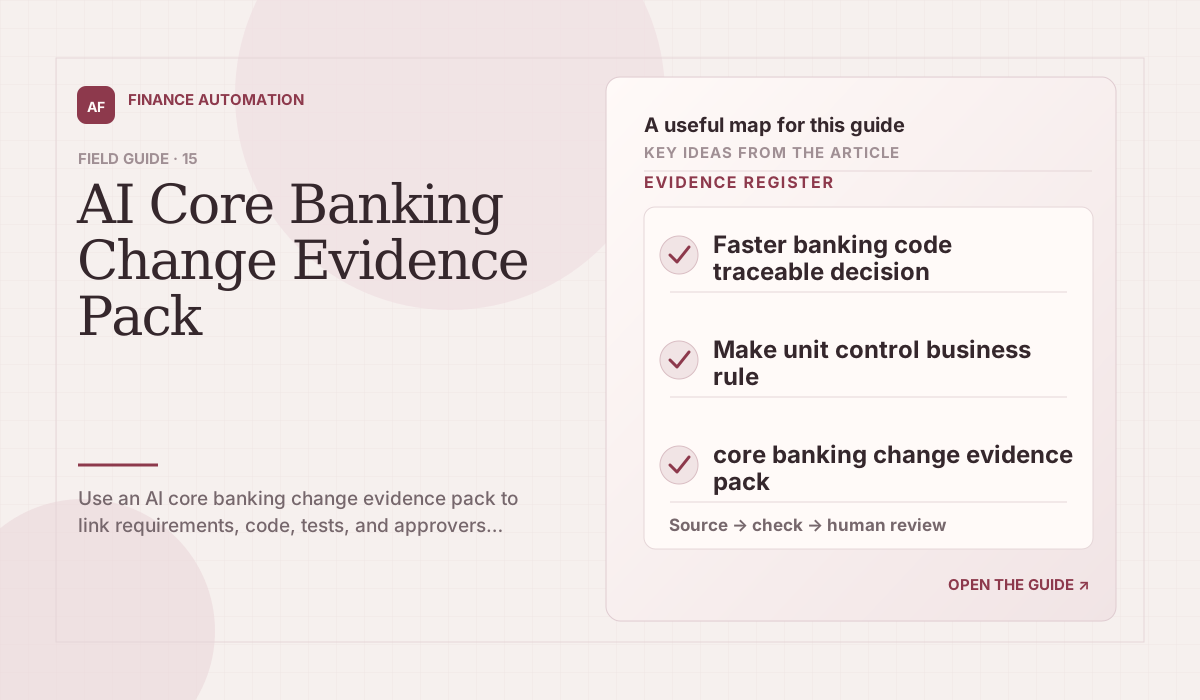
Use an AI core banking change evidence pack to link requirements, code, tests, and approvers before an AI-assisted release reaches production.
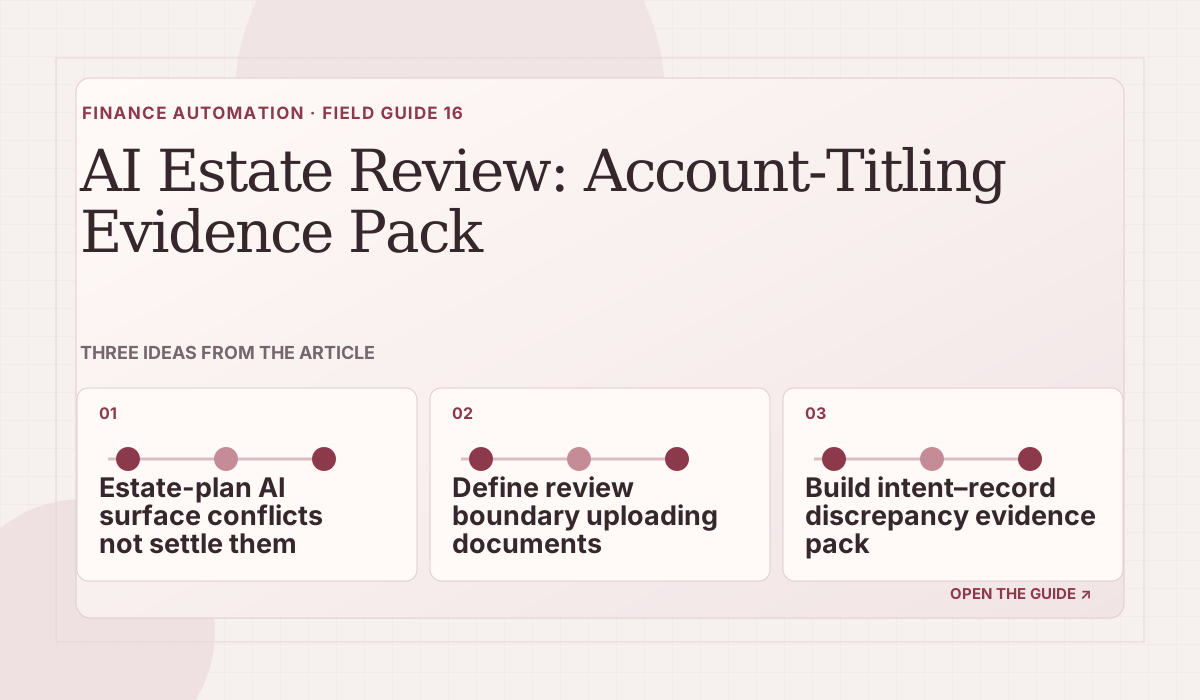
Use an AI estate-review evidence pack to compare plan intent with account titles and beneficiary records—then route every discrepancy to a qualified human.
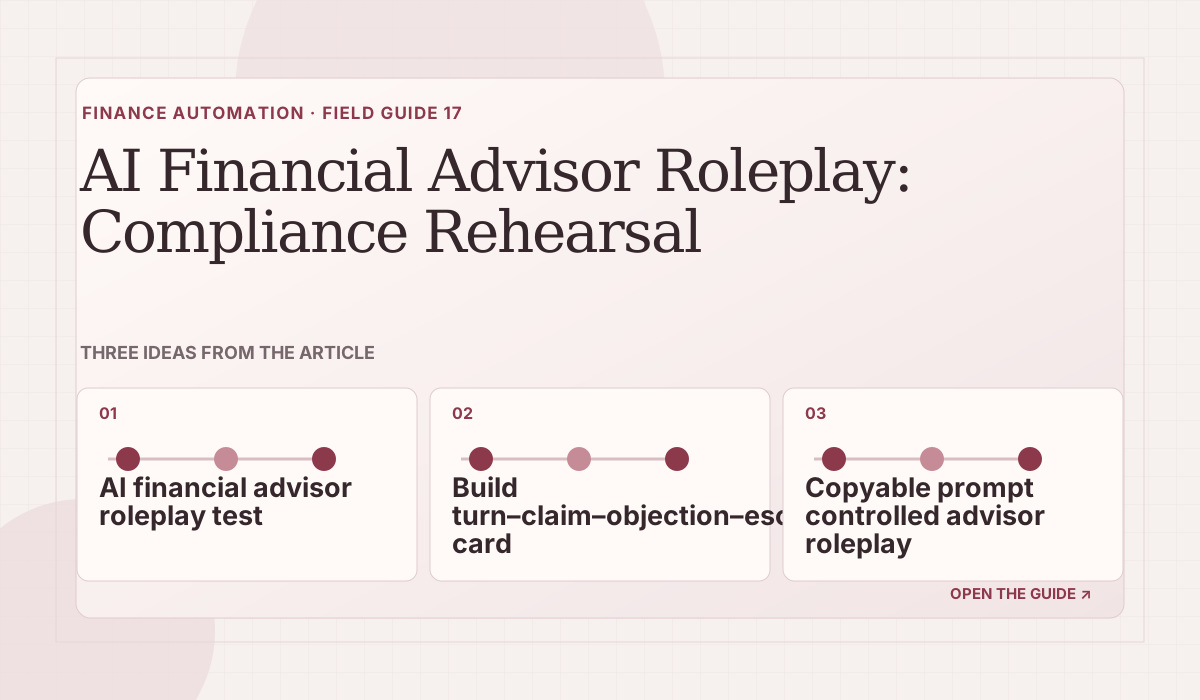
Use an auditable AI advisor roleplay card to test client-conversation claims, objections, escalation paths, and human review before a meeting.
Use a cash forecast variance decision card to trace data, separate calculation from AI explanation, and escalate liquidity policy exceptions.
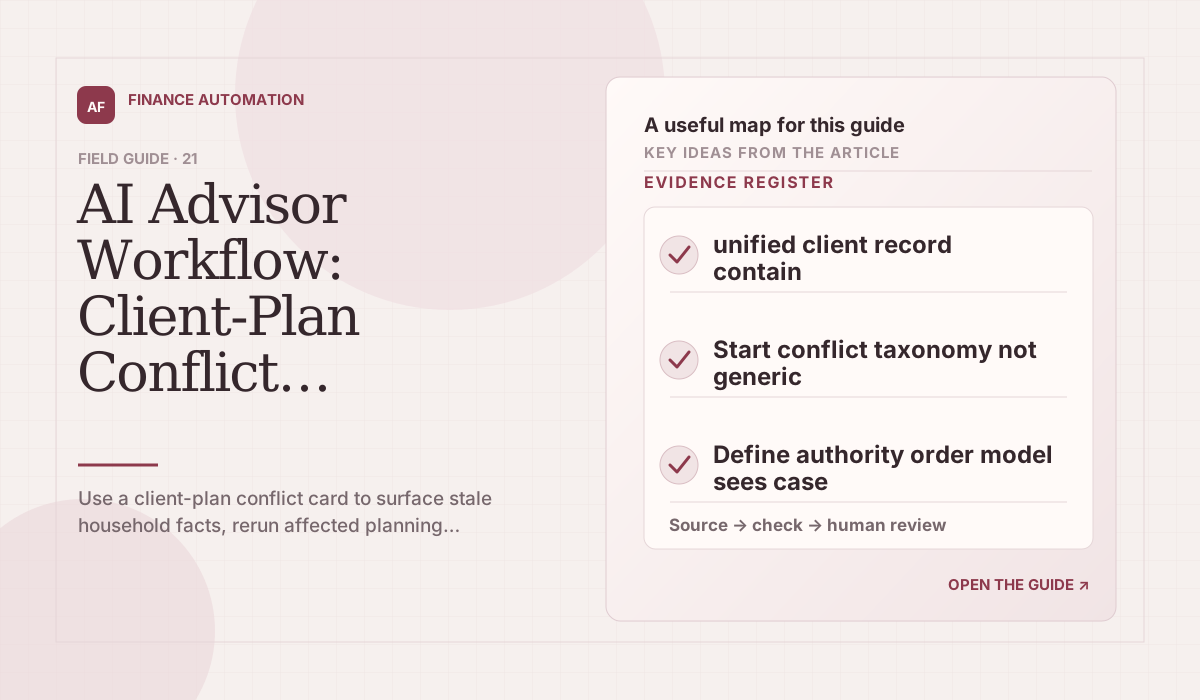
Use a client-plan conflict card to surface stale household facts, rerun affected planning calculations, and route AI-assisted advisor work to human review.
Use a cutover decision card to prove AI banking rules have an owner, source record, ledger effect, rollback plan, and human approval before launch.
Use a deterministic AI compliance gate to separate mutual-fund answers from transaction routing, preserve rule evidence, and stop uncertain requests.
Use an AI reconciliation exception handoff card to assign owners, protect accounts, capture evidence, and approve closure without automatic write-backs.
Run a practical AI outage recovery drill: map shared dependencies, move safely to manual operations, retain evidence, and approve staged restoration.
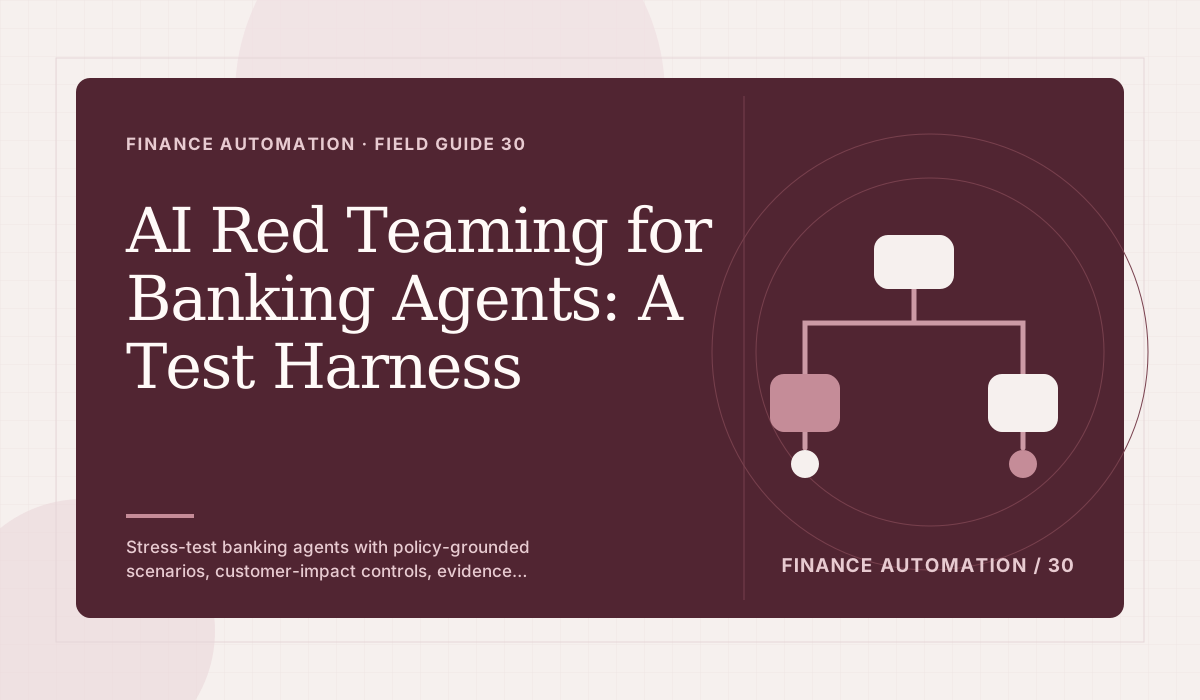
Stress-test banking agents with policy-grounded scenarios, customer-impact controls, evidence requirements, human escalation, and regression gates.
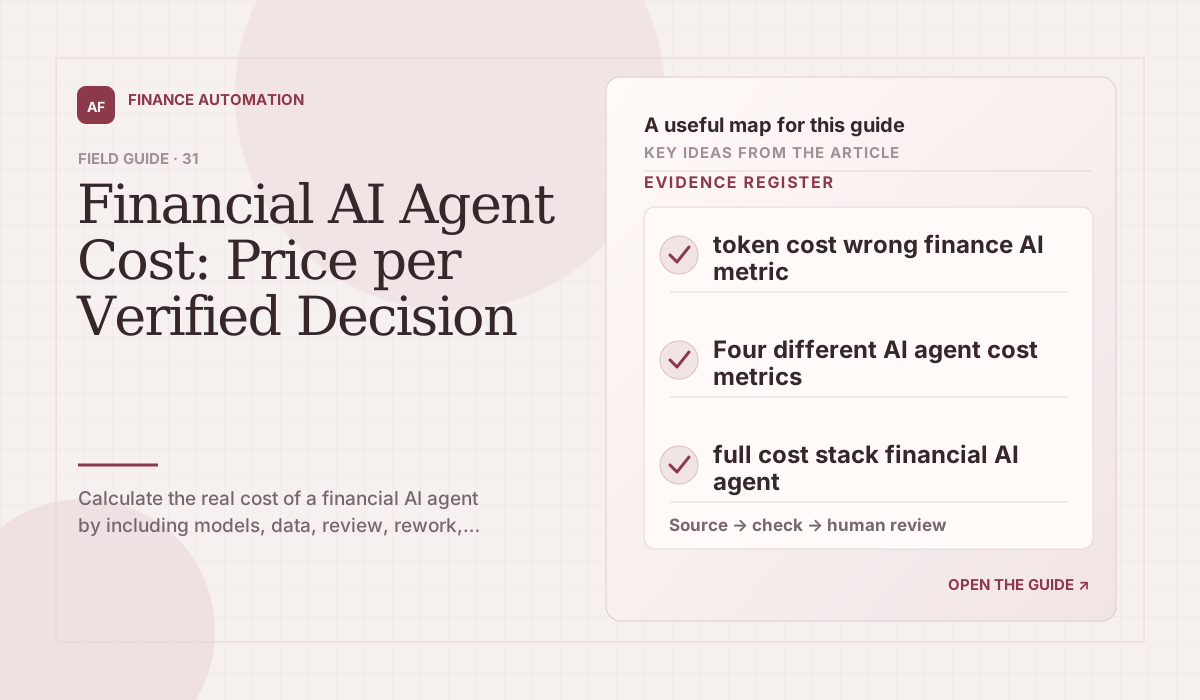
Calculate the real cost of a financial AI agent by including models, data, review, rework, controls, and the share of outputs finance can actually use.
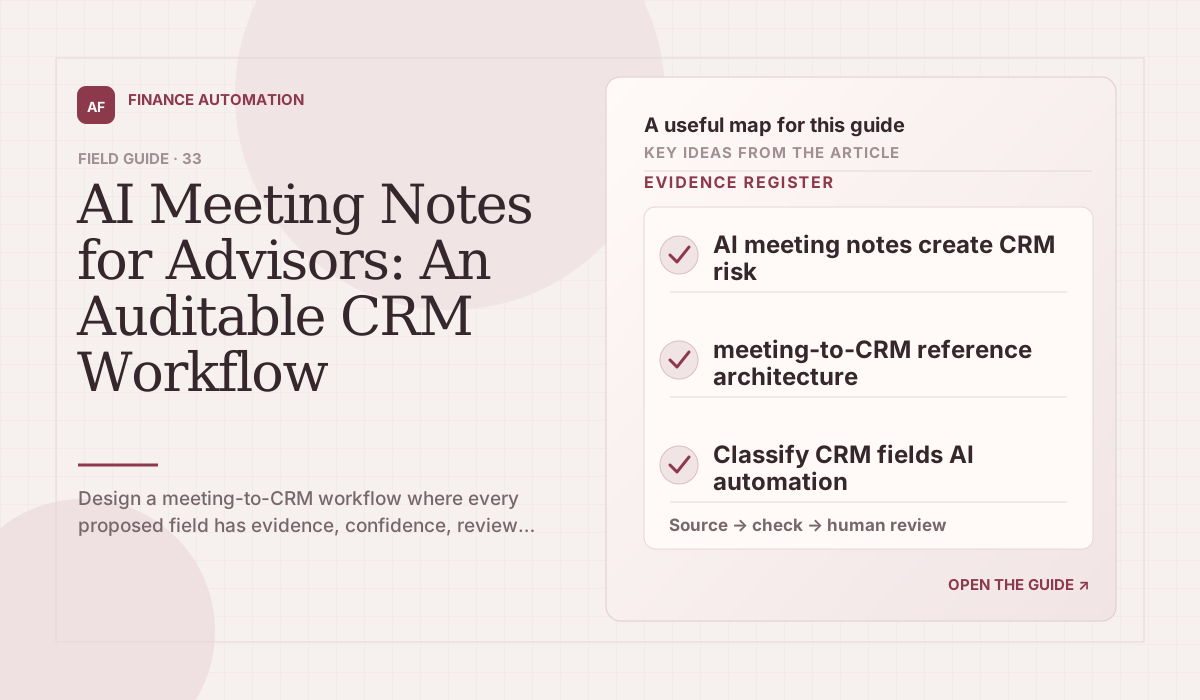
Design a meeting-to-CRM workflow where every proposed field has evidence, confidence, review status, and a human owner before client data changes.
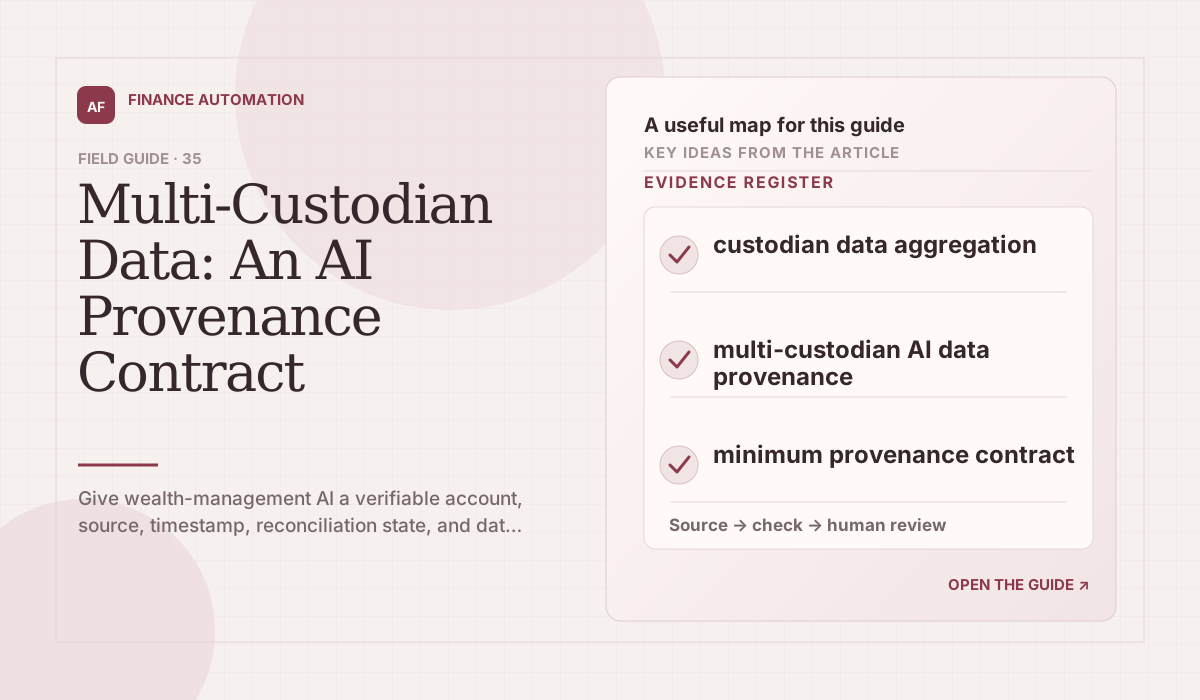
Give wealth-management AI a verifiable account, source, timestamp, reconciliation state, and data lineage before it generates an answer.
How Amazon Bedrock AgentCore Payments uses x402, MPP, wallets, payment sessions, IAM separation, and infrastructure-enforced spending limits.
What agentic-commerce trust surveys really show, why their numbers differ, and which controls help consumers delegate one purchasing permission at a time.
A neutral KYA framework for banks: identify the principal, operator, agent, mandate, credentials, permissions, monitoring, revocation, and evidence.
Engineer reliable financial systems with double-entry invariants, idempotent commands, explicit transaction states, reconciliation, and failure-injection tests.